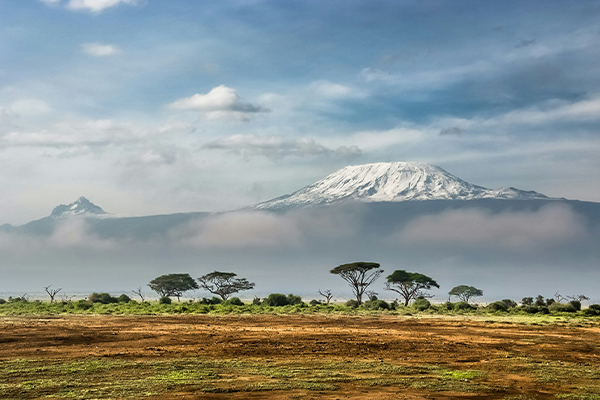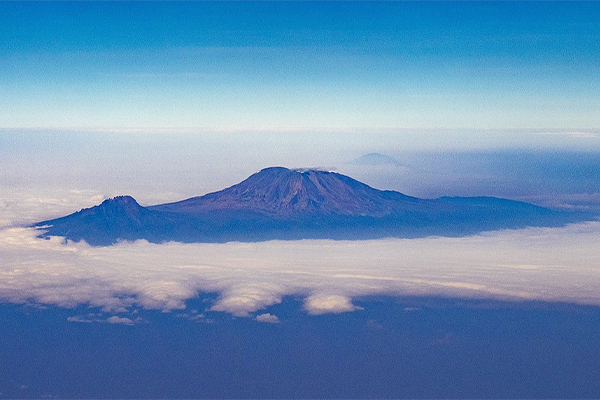
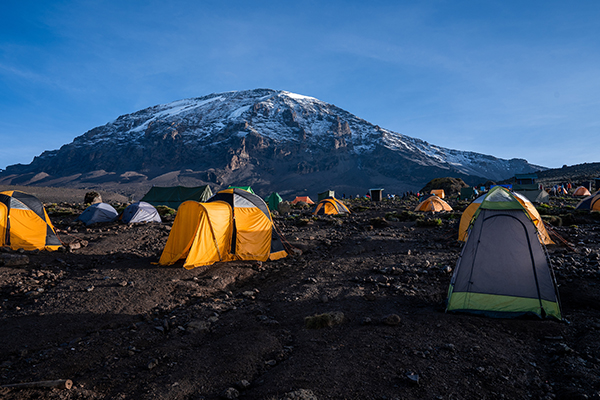
Mount Kilimanjaro summit
Africa's Highest Peak — 5,895 m

Conquer Kilimanjaro
With Confidence

No technical climbing required. Just determination, the right route, and Katambuga's expert mountain guides by your side every step to Uhuru Peak.

Home / Kilimanjaro
5,895mUhuru Peak Altitude
~95%Our Success Rate
6Official Routes
5–9Days Duration

Kilimanjaro Routes

Each route offers a different experience. We'll help you choose the best one for your fitness level, budget, and timeline.
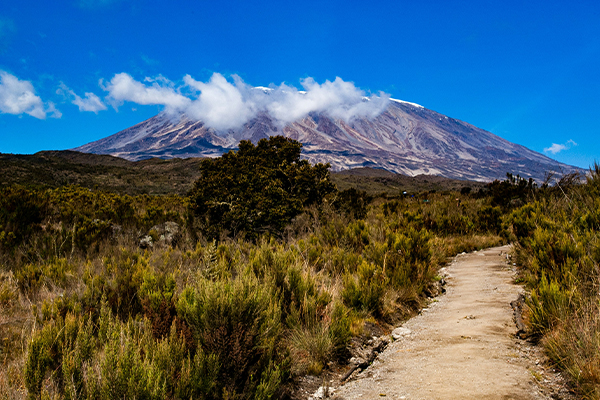
Lemosho Route Kilimanjaro

Lemosho Route

Recommended

One of the most popular routes due to its highest summit success rates and most spectacular scenery. Traverses the Shira Plateau with excellent acclimatisation via the "trek high, sleep low" principle.
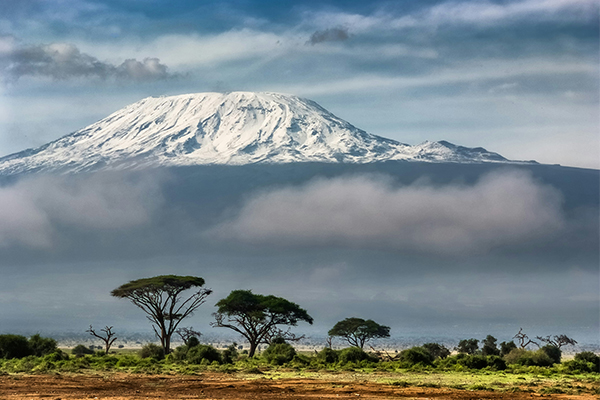
8 Days / 7 Nights
Moderate–Challenging
Londorossi Gate → Mweka Gate
Max 26 people · Min age 10+
Success Rate95%
QuoteCustom Quote tailored to your trip
All Inclusive
Machame Route Kilimanjaro

Machame Route

Whiskey Route

One of the most popular routes on Kilimanjaro with high success rates. Features spectacular scenery and the "trek high, sleep low" acclimatisation approach through diverse climate zones.

6 Days / 5 Nights
Moderate–Challenging
Machame Gate → Mweka Gate
Max 26 people · Min age 10+
Success Rate95%
QuoteCustom Quote tailored to your trip
All Inclusive
Machame Route 7 Days Kilimanjaro

Machame Route

7 Days — Ideal

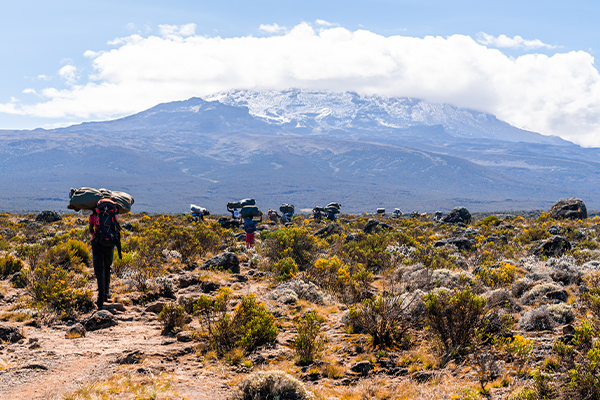
The ideal 7-day Machame schedule. The Barranco–Barafu trek is split over two days, giving better rest before the midnight summit push and optimal acclimatisation for a greater chance of success.
7 Days / 6 Nights
Moderate–Challenging
Machame Gate → Mweka Gate
Max 26 people · Min age 10+
Success Rate95%
QuoteCustom Quote tailored to your trip
All Inclusive
Rongai Route Kilimanjaro

Rongai Route

Northern Approach

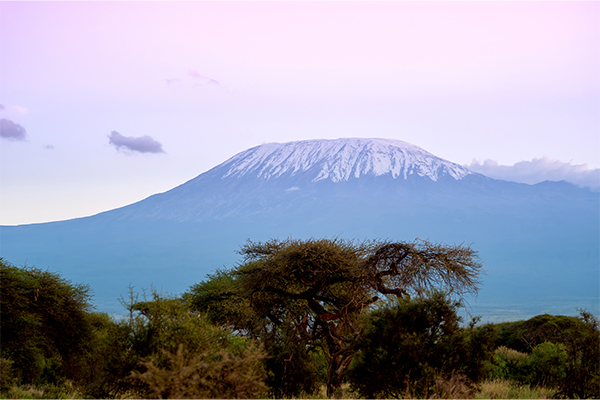
Ascends from the north-eastern side along the Tanzania–Kenya border through unspoilt wilderness. A quieter, drier alternative with unique views of the Mawenzi peak and Amboseli plains.
6 Days / 5 Nights
Moderate
Rongai Gate → Marangu Gate
Max 26 people · Min age 10+
Success Rate95%
QuoteCustom Quote tailored to your trip
All Inclusive
Marangu Route 5 Days Kilimanjaro

Marangu Route

5 Days · Hut

The most popular trail to the summit — the "Coca-Cola Route". The only Kilimanjaro route with permanent hut accommodation, offering relative luxury with access to amenities throughout.

5 Days / 4 Nights
Moderate
Hut Accommodation
Max 26 people · Min age 10+
Success Rate95%
QuoteCustom Quote tailored to your trip
All Inclusive
Marangu Route 6 Days Kilimanjaro

Marangu Route

6 Days · Hut

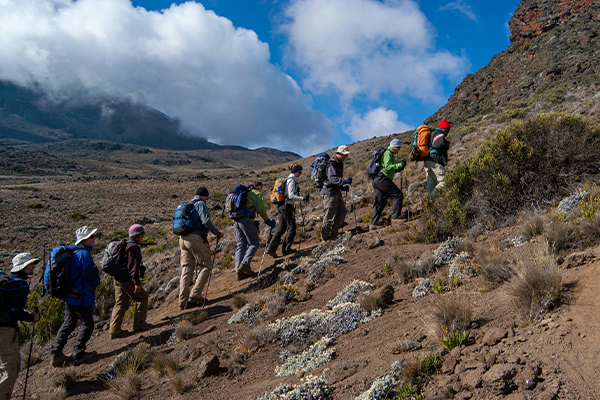
The 6-day Marangu option includes an additional acclimatisation day at Horombo Hut with an optional hike toward Mawenzi peak — significantly improving summit success over the standard 5-day version.
6 Days / 5 Nights
Moderate
Hut Accommodation
Max 26 people · Min age 10+
Success Rate95%
QuoteCustom Quote tailored to your trip
All Inclusive
Umbwe Route Kilimanjaro

Umbwe Route

Most Challenging

The most challenging route on Kilimanjaro with steep inclines and rugged terrain approaching from the south. After Barranco, the route traverses the Southern Circuit beneath the Southern Ice Field to Barafu.

6 Days / 5 Nights
Very Challenging
Umbwe Gate → Mweka Gate
Experienced Trekkers Only
Success Rate95%
QuoteCustom Quote tailored to your trip
All Inclusive
Shira Route Kilimanjaro

Shira Route

Western Approach

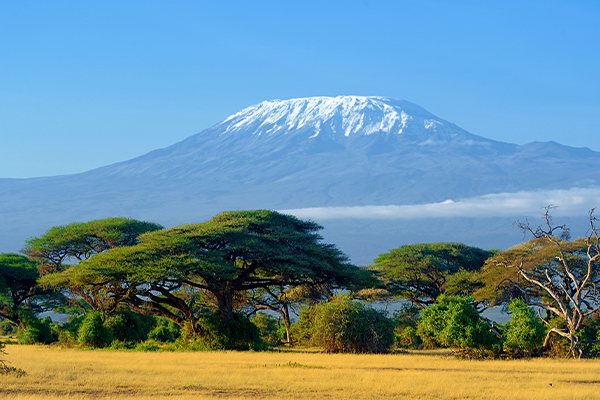
A little-used trail beginning near Shira Ridge on the western slopes. Approaches the summit via Barafu Camp and Stella Point, descending via the Mweka Route with extended acclimatisation time.
8 Days / 7 Nights
Moderate–Challenging
Shira Gate → Mweka Gate
Max 26 people · Min age 10+
Success Rate95%
QuoteCustom Quote tailored to your trip
All Inclusive
Northern Circuit Kilimanjaro

Northern Circuit

Longest Route

The newest and longest route on Kilimanjaro. Starts at Londorossi Gate, follows Lemosho then circles the quieter northern slopes — including views of the Shark's Tooth rock formation — before summiting from the east.

9 Days / 8 Nights
Moderate–Challenging
Londorossi Gate → Mweka Gate
Max 26 people · Min age 10+
Success Rate95%
QuoteCustom Quote tailored to your trip
All Inclusive

Journey Through 5 Ecosystems

One of Kilimanjaro's unique features — you pass through five distinct climate zones as you ascend from tropical rainforest to arctic summit.

800–1,800 m

Cultivation Zone

Coffee and banana farms at the mountain's base, with Chagga settlements.

1,800–2,800 m

Rainforest Zone

Dense tropical forest with colobus monkeys, birds, and giant ferns.

2,800–4,000 m

Heathland & Moorland

Giant heathers, lobelia, and groundsels in an otherworldly landscape.

4,000–5,000 m

Alpine Desert

Barren volcanic rock and scree. Temperature swings from +40°C to -10°C.

5,000–5,895 m

Arctic Summit Zone

Ice fields, glaciers, and the Uhuru Peak crater rim at 5,895 m.

Uhuru Peak

Roof of Africa

Summit at dawn as the sun rises over the African continent. An unforgettable moment.

Everything You Need

Expert Mountain Guide

TANAPA-certified guides with 10+ years on Kilimanjaro.

Mountain Equipment

High-quality mountain tents, sleeping pads, and dining shelters provided.

All Meals & Water

3 nutritious hot meals per day plus purified water throughout.

Park & Rescue Fees

All KINAPA fees, rescue fund insurance, and VAT included.

Medical Kit & Oxygen

Pulse oximeter monitoring, emergency oxygen, and first aid kit.

What to Pack

Warm down jacket (summit night can reach -20°C)
Waterproof outer shell jacket and trousers
Thermal base layers (top & bottom)
Warm fleece or mid-layer
Sturdy waterproof hiking boots (broken in)
Gaiters and warm hiking socks (×4 pairs)
Trekking poles (highly recommended)
Balaclava, warm hat, and neck gaiter
Warm gloves and waterproof over-mittens
Headlamp with spare batteries
Sunglasses (UV protection), sunscreen SPF 50+
Personal medications and altitude sickness pills

We provide a full detailed equipment list with every booking.
Kilimanjaro FAQ

Do I need prior climbing experience?
No technical experience is required. Kilimanjaro is a walk, not a technical climb. You need good physical fitness — regular cardio training (running, hiking, cycling) for 3–4 months before your climb is strongly recommended. The main challenge is altitude, not terrain.
What is the best time to climb?
The best times are January–March and June–October when skies are clearest and rainfall is minimal. July and August are the busiest months. We climb year-round, but the rainy seasons (April–May and November) can make trails muddier and summit views less clear.
How serious is altitude sickness?
Altitude sickness (AMS) affects most climbers to some degree. Mild symptoms (headache, nausea, fatigue) are common above 3,000 m. Our guides monitor you with pulse oximeters daily and will descend with you if symptoms become severe. Choosing a longer route like Lemosho dramatically reduces the risk.
Should I take altitude medication (Diamox)?
Many climbers take Acetazolamide (Diamox) to help prevent AMS. Consult your doctor before travel — it's not suitable for everyone. We provide a full medical briefing before your climb and our guides are first-aid trained. Diamox does not replace acclimatisation but can supplement it.
Are porter services included?
Yes. All packages include porters to carry the communal equipment and your main bag (up to 15 kg). You carry your own daypack (water, snacks, camera, rain gear, warm layers). We employ local Chagga porters and strictly follow the Kilimanjaro Porter Assistance Project (KPAP) ethical guidelines on wages and equipment.
What happens if I can't make the summit?
Not everyone reaches Uhuru Peak, and that's completely okay. Our guides prioritise your safety above all else. If you need to turn back, we will descend with you safely. We do not pressurise climbers to continue beyond their limits. Reaching any of the intermediate peaks (Stella Point, Gilman's Point) is still a remarkable achievement.

Kilimanjaro Through Our Lens

Ready to Stand on the Roof of Africa?

Get a personalised Kilimanjaro climb itinerary and quote within 24 hours.