How Tanzania's safari regions compare
Tanzania has one of Africa's strongest safari circuits because each park offers a different landscape and wildlife rhythm. The best itinerary usually combines two or three areas rather than trying to rush through every famous name.
Before choosing parks, it helps to understand the best time to visit Tanzania for safari, because migration routes, dry-season water sources, and green-season photography all influence where you should go.
Serengeti and Ngorongoro
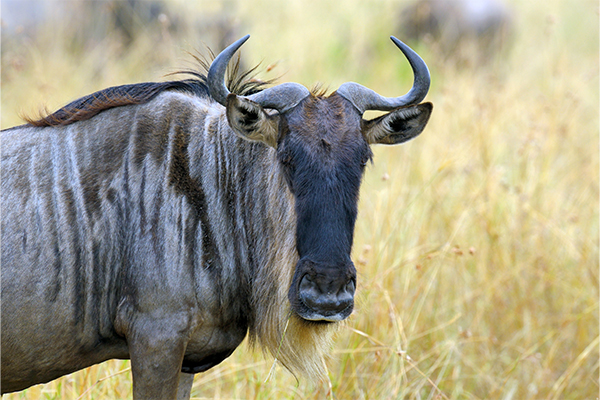
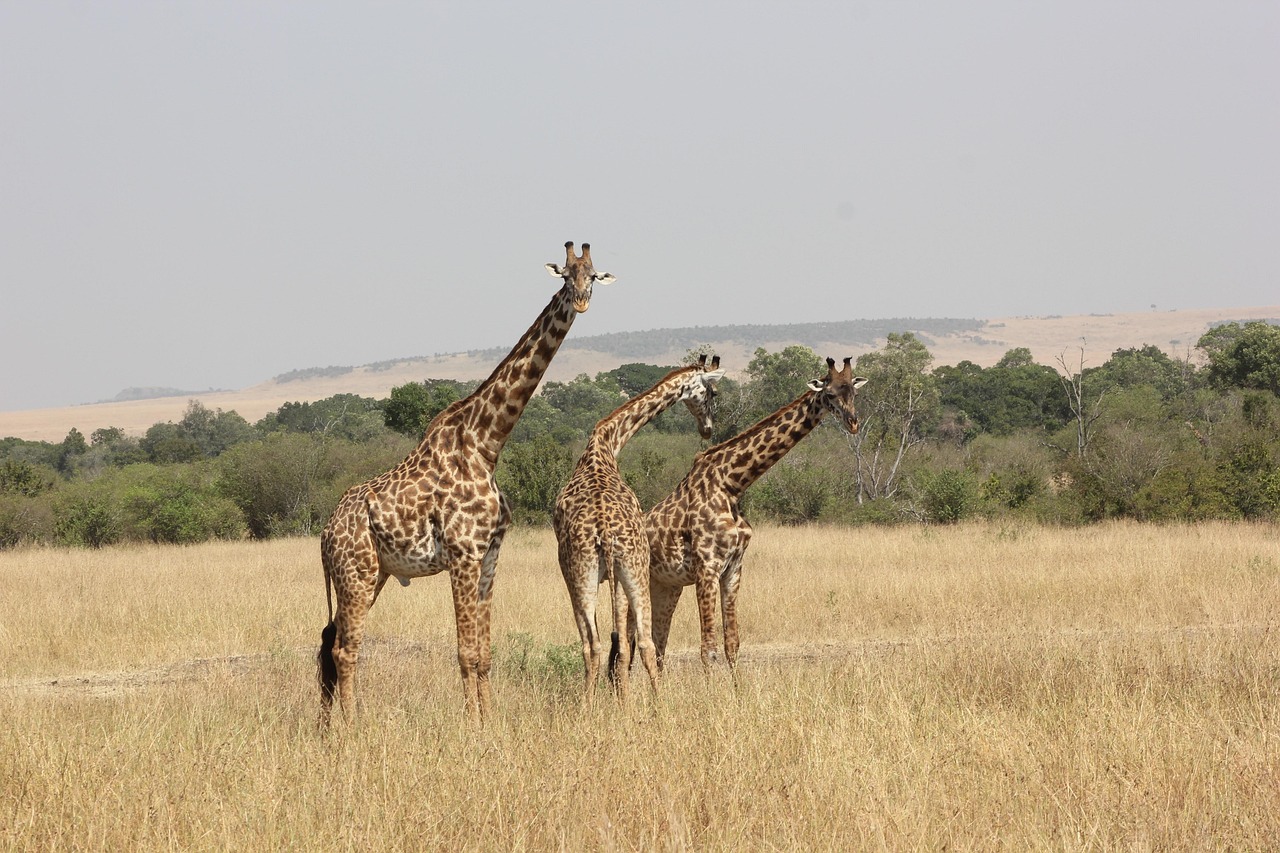
Serengeti National Park is the classic Tanzania safari landscape: open plains, big cats, resident wildlife, and seasonal Great Migration movement. Central Serengeti is strong for year-round game viewing, while northern, western, and southern areas shine at different times of year.
Ngorongoro Crater offers dense wildlife in a compact volcanic setting. It is especially useful for shorter itineraries because a single crater descent can include lion, elephant, buffalo, hyena, hippo, and sometimes black rhino.
Tarangire, Lake Manyara, and southern parks
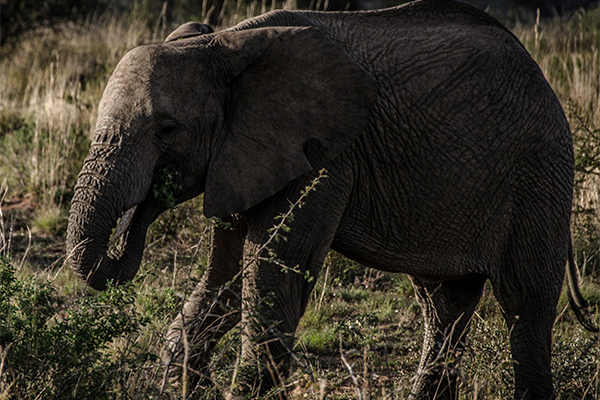
Tarangire National Park is loved for elephant herds, baobab trees, and a quieter atmosphere during many months. Lake Manyara adds forest, birds, and escarpment views, making it a useful contrast on northern itineraries.
For travellers who want more solitude, Ruaha National Park and other southern parks feel wilder and less crowded. They work best for guests with more days or repeat safari travellers looking beyond the classic northern circuit.
Packages that fit these parks
The 4 day midrange safari is a good introduction to northern Tanzania, while the 6 day midrange safari gives more room for Serengeti. Luxury travellers can compare with the 5 day luxury safari.
Build a balanced route
A strong safari route should balance wildlife density, travel time, lodge comfort, and your personal interests. Read how to choose the right safari package, then use the Plan My Trip form when you are ready for a tailored route.