Ngorongoro Crater
The world's largest intact volcanic caldera — a natural Eden enclosing 25,000 animals in 260 km² of paradise, including Africa's rarest black rhino.
The World's Greatest Caldera
Ngorongoro Crater is a UNESCO World Heritage Site and one of Africa's most astonishing natural wonders. Formed when a giant volcano collapsed inward roughly 2–3 million years ago, the resulting caldera measures 19 km across and 600 m deep, creating a self-contained ecosystem that shelters an extraordinary concentration of wildlife.
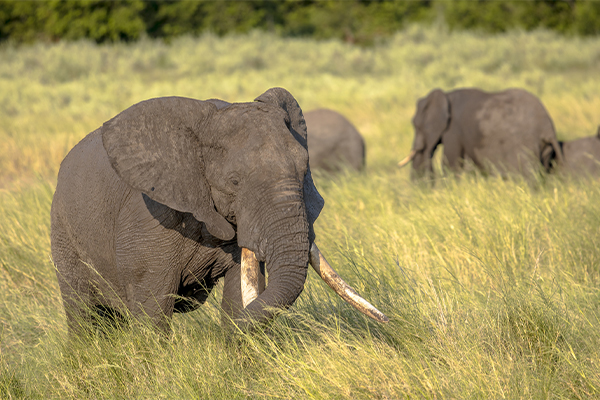
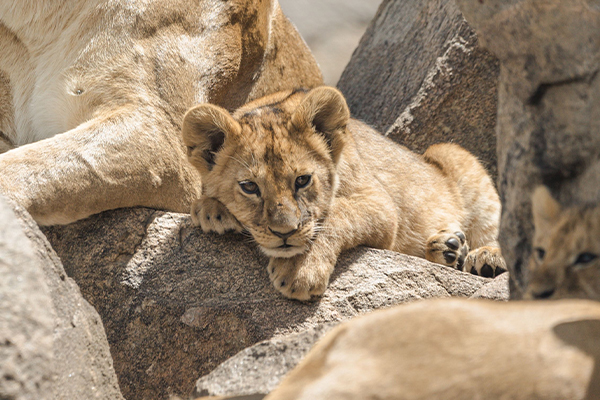
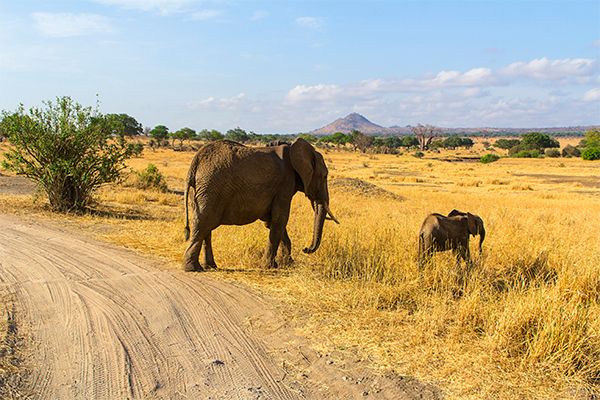
Unlike the Serengeti, most animals in the crater don't migrate — they live here permanently. This means visitors reliably encounter lions, leopards, elephants, hippos, spotted hyenas, golden jackals, and flamingo-fringed soda lakes in every game drive.
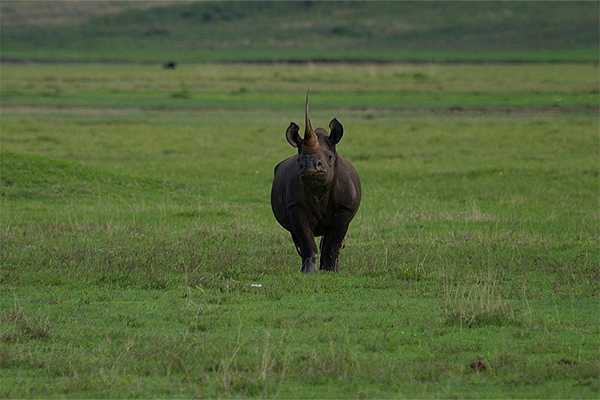
The crater's most prized residents are its approximately 30 black rhino — one of the only places in Africa where you can reliably see this critically endangered species in the wild. Spotting one is a privileged, unforgettable moment.
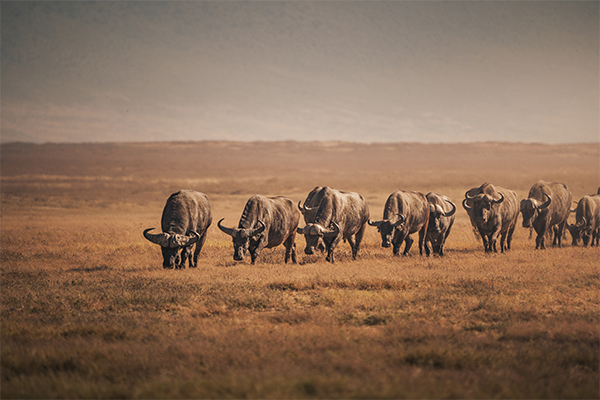
Ngorongoro Highlights
Black Rhino
One of the best places in Africa to see critically endangered black rhino in the wild.
Full Big Five
All Big Five animals are present and reliable year-round within the crater walls.
Crater Rim Scenery
The views down into the crater from the 2,286 m rim are absolutely breathtaking.
Flamingo-Lined Lake
Lake Magadi on the crater floor turns pink with flamingos during the right season.
Maasai Culture
The Maasai people still live and graze cattle in the Conservation Area as they have for centuries.
Year-Round Excellent
No migration pattern inside the crater means superb wildlife viewing every month of the year.
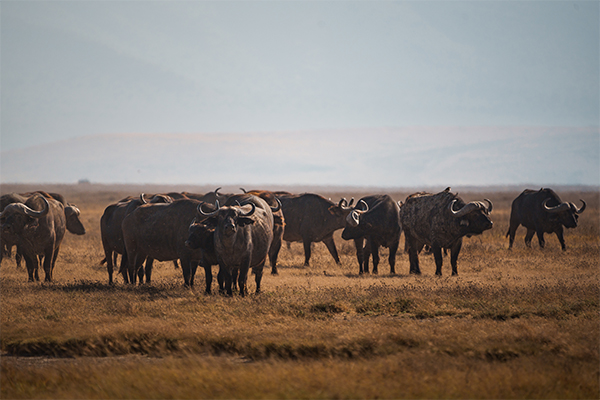
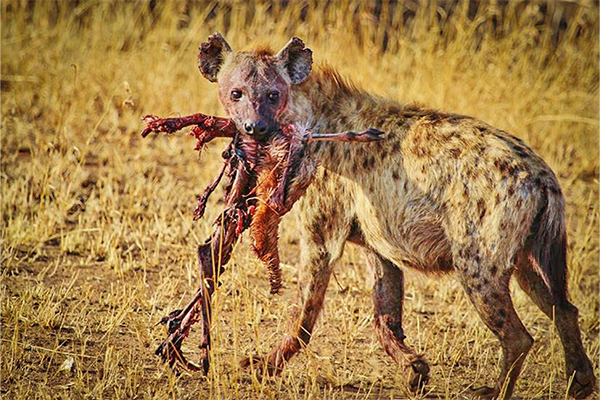
Ngorongoro in Pictures
Plan Your Ngorongoro Safari
Most Northern Circuit safaris combine Ngorongoro with the Serengeti and Tarangire for the ultimate Tanzania experience.