
- 6
- 6
- 7
- 5

Mount Kilimanjaro, often called “Kili” by locals, is the highest peak in Africa and one of the most iconic mountains in the world. Located in northeastern Tanzania, it stands as a symbol of adventure, natural beauty, and endurance. Kilimanjaro’s snow-capped summit, towering above the surrounding savannas, attracts climbers, trekkers, and nature lovers from all over the globe.
Height: Kilimanjaro rises to 5,895 meters (19,341 feet) above sea level, making it the tallest mountain in Africa and the highest free-standing mountain in the world.
Location: The mountain is located in the Kilimanjaro Region of Tanzania, near the border with Kenya, and it’s part of the Kilimanjaro National Park, a UNESCO World Heritage Site.
Volcanic Origin: Kilimanjaro is a volcanic mountain, formed by three distinct volcanic cones: Kibo, Mawenzi, and Shira.
Kibo: The highest cone, where the summit (Uhuru Peak) is located.
Mawenzi: A jagged, eroded peak that is the second highest.
Shira: The oldest cone, now a plateau covered by volcanic ash and rock.
Climate Zones: Due to its elevation, Kilimanjaro hosts a variety of climatic zones, ranging from tropical rainforest at its base to arctic conditions at the summit.

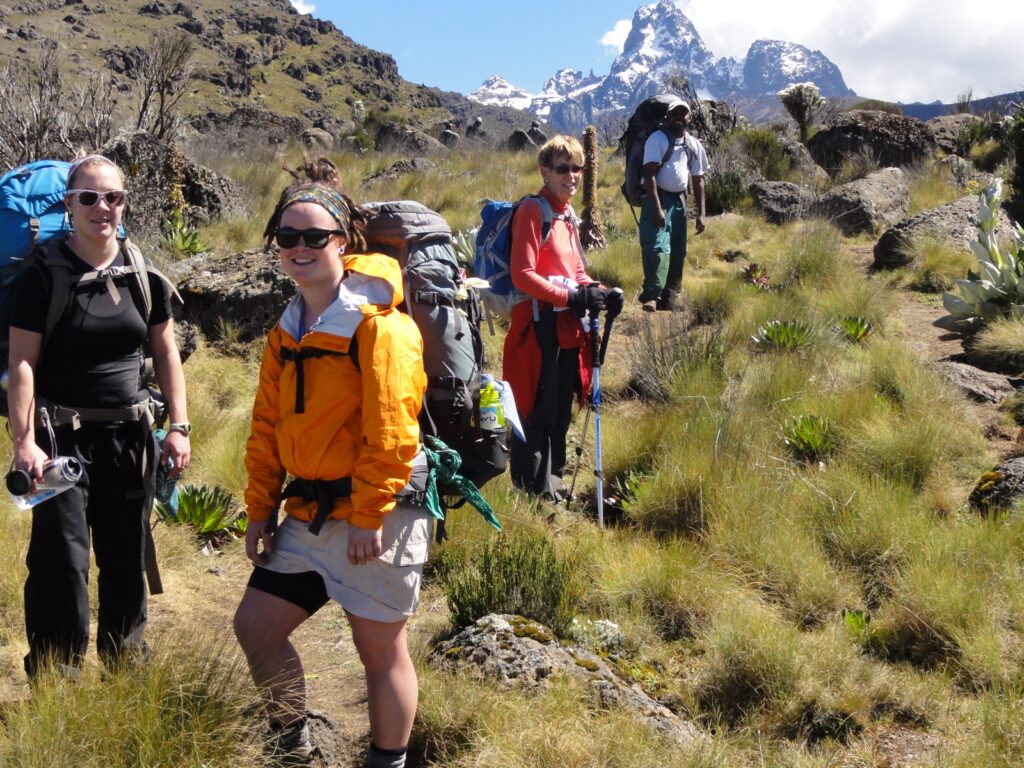
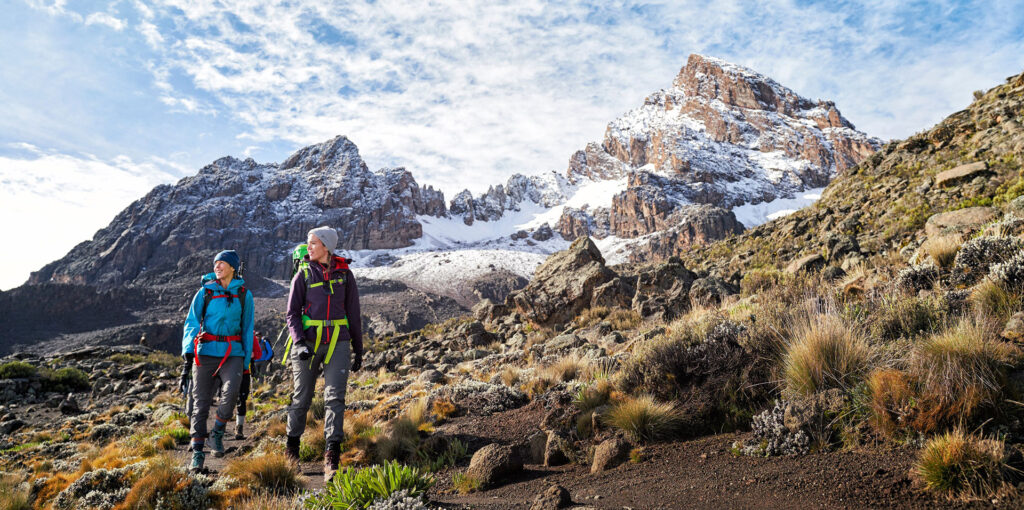
Kilimanjaro’s landscape is incredibly diverse, offering a unique experience for climbers and visitors:
Rainforest Zone: The lower slopes are covered in lush, dense forests that receive heavy rainfall year-round. This forest is teeming with wildlife such as monkeys, elephants, and various bird species.
Montane Forest and Heath Zone: As you ascend, the vegetation changes, with giant heather and grasses giving way to alpine moorland, which includes iconic species like lobelias and giant groundsel.
Alpine Desert Zone: Above the tree line, the landscape becomes arid with sparse vegetation and extreme conditions. It’s an inhospitable but striking environment where only specialized plants can survive.
Summit (Uhuru Peak): The summit of Kilimanjaro is a snowy, icy expanse despite the mountain being located near the equator. The glacier at the summit is retreating due to climate change, but it remains a stunning feature.
Mount Kilimanjaro is one of the few mountains in the world that doesn’t require technical climbing skills to reach the summit. There are several routes for climbers to choose from, each offering unique views and experiences. The most popular routes include:
Marangu Route (Coca-Cola Route): The oldest and most established route. Known for being the easiest with hut accommodations, but it’s also one of the busiest.
Machame Route (Whiskey Route): Offers a more scenic and challenging ascent with great views, but requires more stamina and is less crowded.
Lemosho Route: A longer route with stunning views of the mountain and a higher success rate due to the longer acclimatization period.
Rongai Route: Approaches the mountain from the north and offers a quieter, less trafficked option, but it has fewer scenic views.
Umbwe Route: The shortest and most difficult route. It’s ideal for experienced climbers due to its steep incline and challenging terrain.
While technical climbing skills are not required, ascending Kilimanjaro is still physically demanding. The most significant challenge is the altitude. The air becomes thinner as you climb, which can cause altitude sickness, a condition that results from reduced oxygen levels at high elevations. Symptoms include headaches, nausea, dizziness, and shortness of breath. Climbers are advised to take their time, acclimate slowly, and stay well-hydrated.
Acclimatization: Climbing Kilimanjaro usually takes 5 to 9 days. Longer treks give climbers more time to adjust to the altitude, improving the chances of reaching the summit.
Best Time to Climb: The best times to climb are during the dry seasons, which are typically from January to March and June to October. The weather during these months is more predictable, and the trails are drier.
The summit of Mount Kilimanjaro, known as Uhuru Peak, is a breathtaking achievement for climbers. From this point, you’ll have spectacular panoramic views of the surrounding landscape, including the Maasai Steppe and Kenya’s Amboseli National Park.
Uhuru Peak: Located on the Kibo cone, it’s the highest point of the mountain and the ultimate goal for climbers.
Crater Rim: Just below Uhuru Peak, there’s a crater at the summit. The Reusch Crater is an ice-filled volcanic crater that is a popular photo spot for those who reach the top.
Mount Kilimanjaro is home to an array of flora and fauna, especially in its lower regions. The lower slopes are covered in tropical rainforest, home to:
Monkeys: The mountain is home to blue monkeys, Colobus monkeys, and baboons.
Elephants: Elephants are occasionally found on the lower slopes of the mountain, especially in the forest zone.
Birdlife: The mountain supports a wide variety of bird species, including eagles, buzzards, and pigeons.
Unique Plants: The slopes of Kilimanjaro feature unique flora, including the giant groundsels and Lobelias, which are found in the alpine zone.
Mount Kilimanjaro has immense cultural significance for the people of Tanzania. It is revered as a spiritual symbol for the Chaga people, who have lived on its slopes for centuries. The mountain is central to their mythology and traditions. Additionally, the Chaga people have been instrumental in the development of Kilimanjaro’s tourism industry, working as porters, guides, and cooks.
While Mount Kilimanjaro is a UNESCO World Heritage Site, it faces several environmental challenges:
Climate Change: Kilimanjaro’s glaciers are rapidly retreating due to rising temperatures. The ice cap has shrunk significantly, and scientists estimate that it could disappear entirely in a few decades.
Deforestation: The lower slopes of the mountain have experienced significant deforestation, partly due to human activity like logging and agriculture. Conservation efforts are underway to prevent further degradation.
Waste Management: The increasing number of climbers has led to concerns about waste management on the mountain. Several initiatives are in place to reduce litter and ensure climbers adhere to environmentally responsible practices.
Kilimanjaro attracts tourists from all over the world, not only for the challenge of climbing but also for the unparalleled beauty of the mountain and the sense of accomplishment that comes with summiting.
Trekking and Tours: There are numerous tour operators that offer guided treks to Kilimanjaro, providing equipment, professional guides, and support staff (including porters).
Costs: Climbing Kilimanjaro can be expensive due to park fees, permits, guides, and porters. Prices typically range from $1,500 to $5,000 USD, depending on the route and length of the trek.
Mount Kilimanjaro is not just Africa’s tallest mountain, it’s also a stunning natural wonder, a cultural symbol, and an adventurer’s dream. The challenge of summiting Kilimanjaro, combined with its incredible landscapes, diverse ecosystems, and rich cultural heritage, makes it a once-in-a-lifetime experience for those who venture to its slopes. Whether you’re a seasoned trekker or a first-time climber, the allure of standing atop Africa’s highest peak will always remain one of the world’s greatest natural achievements.